


Using accounting software can help ensure that each journal entry you post keeps the formula in balance. If you use a bookkeeper or an accountant, they will also keep an eye on this process. Current assets are important because they can be used to determine a company’s owned property.
Accrued Expense vs. Accounts Payable: What’s the Difference?

This relationship is a central concept in accrual basis accounting, which requires transactions to be recorded when they occur, not necessarily when cash changes hands. The expense is the recognition of the cost, while the liability is the formal recognition of the duty to pay for that cost later. Explore the distinct roles of business costs and financial obligations.
- Reducing debts or growing assets boosts financial health over time.
- Costly items, such as vehicles, equipment, and computer systems, are not expensed, but are depreciated or written off over the life expectancy of the item.
- While she currently lives in Sarasota, Dawn makes frequent trips back to Michigan to visit her daughter and grandson, along with other family there.
- They are only recorded if the event is likely and the amount is estimable.
- As a company accrues expenses, the portion of unpaid bills continues to increase.
- Business owners are tasked with managing their enterprise while satisfying payroll obligations to employees as well as those owed to federal and state governments.
- However, professional tax and accounting solutions are still essential.
Earning 50k After Tax: Take Home Pay in the UK
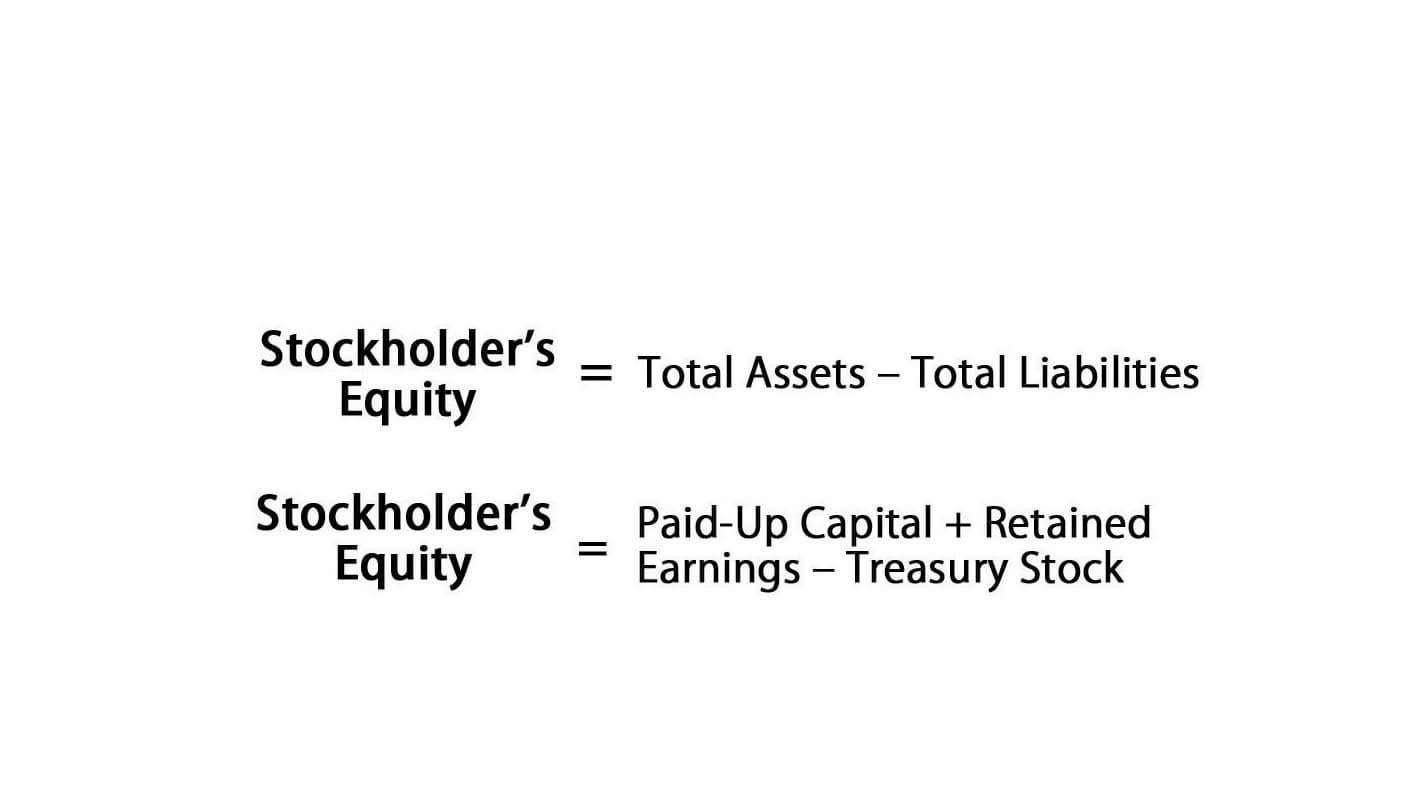
Liabilities are amounts the company owes to others, such as lenders, creditors and suppliers. On the other hand, expenses are costs incurred to generate revenue and keep operations running. In this sense, you can consider timing to be an important distinction between liabilities and expenses. This liability will show up on the balance sheet as accounts payable. When the invoice is paid, the liability is removed and the cost is recorded as an expense.

What is the Difference Between Payroll Expenses and Payroll Liabilities
He specialized in income tax preparation for businesses and individuals. In 2022, Cel took a short break from accounting for a unique opportunity to work on a short-term project with an independent game development company as a Level Designer. Once the project was completed, Cel was excited to return to accounting, and joined the Sterling Team in July 2022. Following graduation, she spent time working in Retail Banking, where she discovered an affinity for numbers and organization, which led her to pursue a career as a bookkeeper. Lacey finds satisfaction in ensuring that financial records are accurate, up-to-date, and in compliance with regulations. Sterling Tax & Accounting can provide you with the professional solutions your business needs.
Firm of the Future

The balance sheet reflects these obligations alongside assets and equity. For example, accounts payable for $8,000 and short-term loans of $5,000 are common in business finance. Long-term debt like a mortgage of $150,000 also falls under this category. Examples are credit card balances, mortgage payments, and business loans.
Accrued expenses difference between expense and liabilities are liabilities that build up over time and are due to be paid. Accounts payable are current liabilities that will be paid in the near future. The obligation of a business to pay overtime is called liability.
Long-term debts such as mortgages, bonds payable, deferred revenue, or large loans fall under this category. They often support big investments like property purchases or company expansions. Notes receivable due within 12 months also count as current assets. These help measure your liquidity or how easily you cover short-term costs.
Order to Cash Solution

Understanding these distinctions helps stakeholders assess a company’s true financial health. For example, a high level of current liabilities compared to contribution margin current assets might signal short-term liquidity issues. Current liabilities are due within a year and include costs such as payroll, accounts payable and other short-term obligations. Noncurrent liabilities are long-term debts or obligations that are due beyond a 12-month period. When it comes to financial accounting, understanding the difference between expenses and liabilities is crucial.
- A company incurs a liability when it receives a benefit now but agrees to pay for it later.
- ‘The business is liable for any outstanding amounts it owes for goods or services it has received but has not yet paid for.
- Although contingent liabilities aren’t as expected, they can still be a problem.
- For instance, if you pay your employees bi-monthly, then you can credit that payroll on the next payment.
- The current/short-term liabilities are separated from long-term/non-current liabilities.
These are long-term financial obligations of the firm whose settlement period is not within 12 months from the date on which the balance sheet is prepared. In common parlance, liabilities represent a legal obligation to pay a certain sum of money to a party. But in accounting, it means the amount owed by the firm and payable by the firm to others in money or goods. Long-term liabilities are also called noncurrent liabilities.
Accounts payable, mortgages and debentures, loans, and accrued expenses are all examples of liability. Both expense and liability result in cash outflows and are well-known to be similar. We often overlook the differences between costs and liabilities. Every business that is operational and currently in http://snowcrunch.com/bookkeeping/102617-explaining-amortization-in-the-balance-sheet operation has assets and liabilities. It also has income expenses, which are part of the income statement.